At its core, the CACNO exists to cultivate and present art that challenges convention and expands the definition of contemporary practice. The organization was founded on the conviction that artists from New Orleans and beyond deserve a platform where ambitious work can be developed, shared, and supported from across media, methodologies, and cultural perspectives. By presenting artists from a wide range of backgrounds and disciplines, the CACNO fosters an ecology of creativity that is both rigorous and expansive.
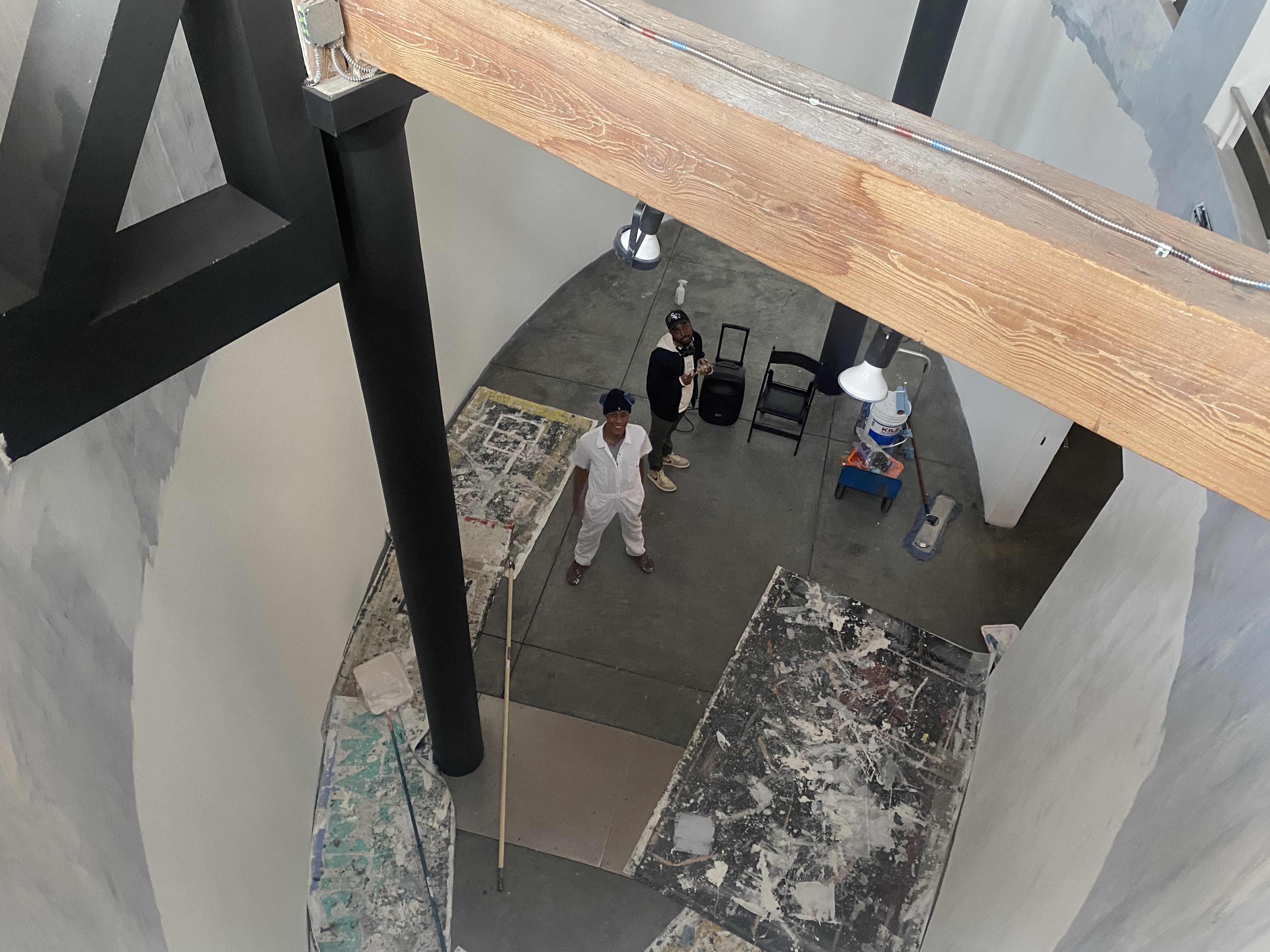
CACNO is committed to artists, the presentation of multidisciplinary work, and advancing the power of art in our time.
By presenting artists from a wide range of backgrounds and disciplines, CACNO fosters an ecology of creativity that is both rigorous and expansive, supporting work as it is developed, shared, and sustained.
Rooted locally and engaged globally, the CACNO explores how to support regional artists on a national and international scale by intersecting practices, aesthetics, and communities. Through these encounters, the Center sparks contemporary conversations that energize audiences and encourage artists to take risks, discover new approaches, and share work in its many forms. Born from the belief that visual art and performance thrive in dialogue, the CACNO has long embraced performing and time-based arts as integral to the cultural fabric of Louisiana.
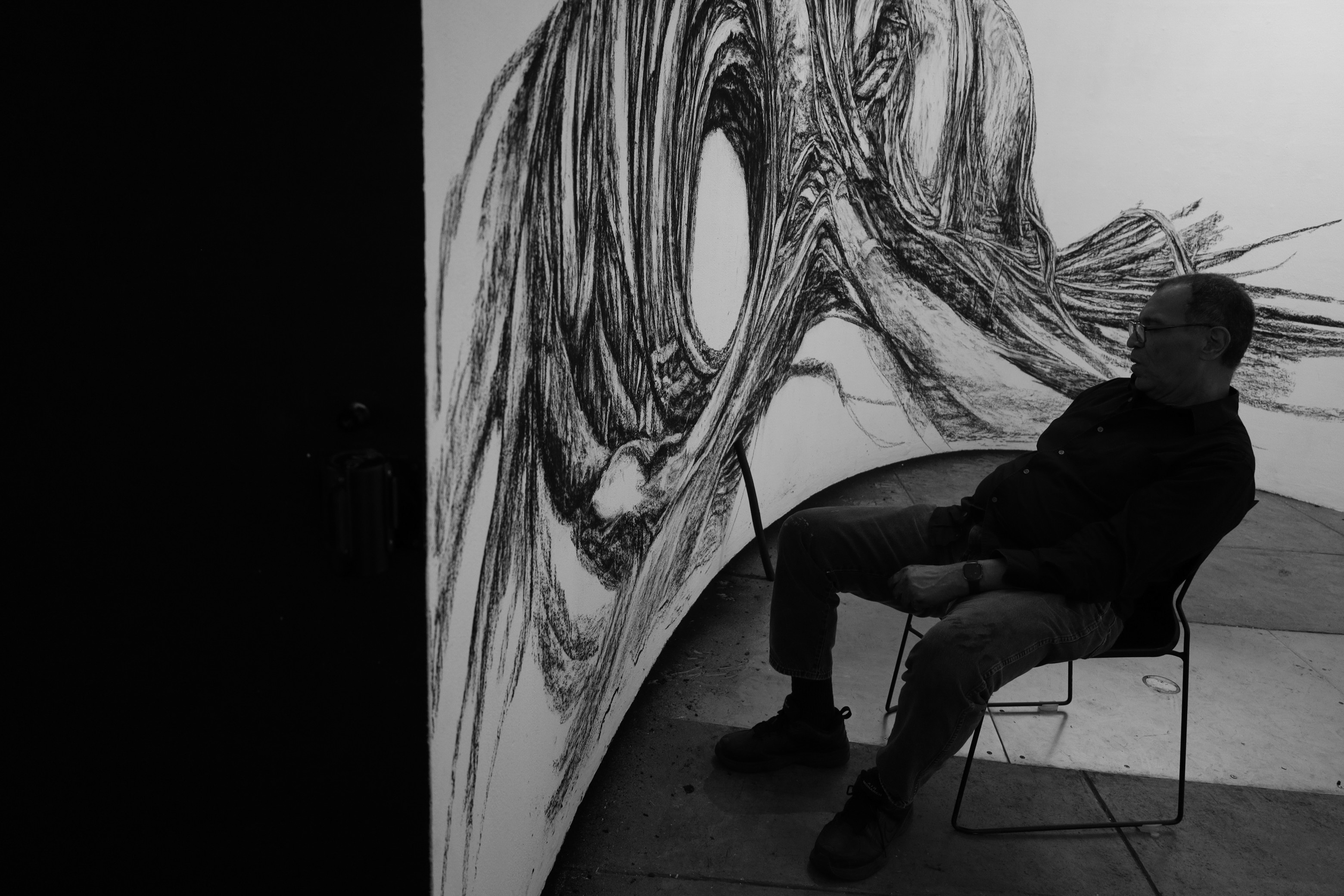
Rooted locally and engaged globally, the CACNO explores how to support regional artists on a national and international scale by intersecting practices, aesthetics, and communities. Through these encounters, the Center sparks contemporary conversations that energize audiences and encourage artists to take risks, discover new approaches, and share work in its many forms. Born from the belief that visual art and performance thrive in dialogue, the CACNO has long embraced performing and time-based arts as integral to the cultural fabric of Louisiana.
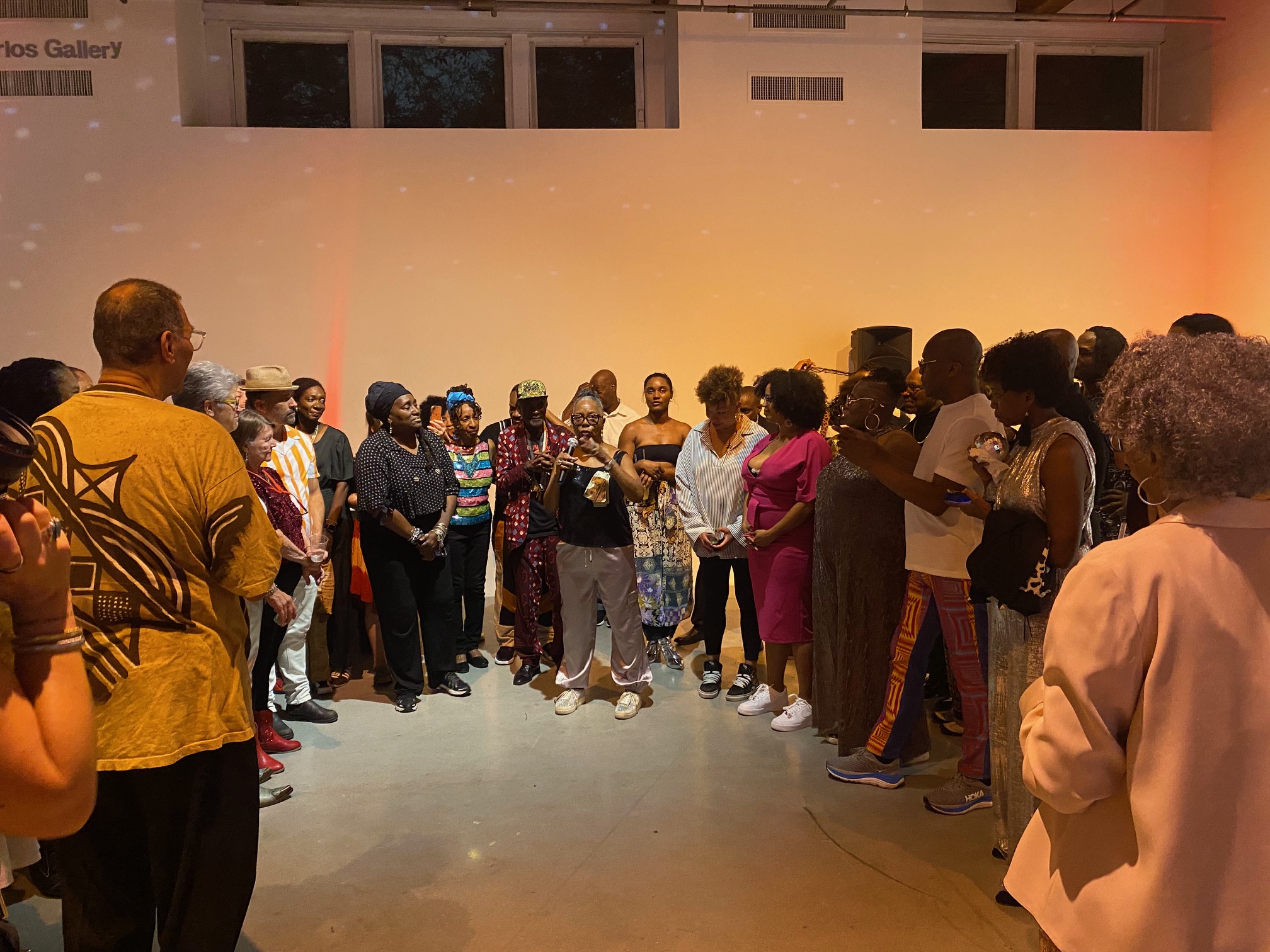
From its earliest exhibitions to its current programming, the Center has foregrounded work that engages aesthetics, identity, family, and the complexities of lived experience. Visual art programming spans painting, sculpture, photography, video, and installation, while performance offerings bring together theater, dance, sound, and music under a shared commitment to innovation and rigor.
From its earliest exhibitions to its current programming, the Center has foregrounded work that engages aesthetics, identity, family, and the complexities of lived experience. Visual art programming spans painting, sculpture, photography, video, and installation, while performance offerings bring together theater, dance, sound, and music under a shared commitment to innovation and rigor.
The Contemporary Arts Center New Orleans officially began in 1977, although rumor persists that its spirit was already hard at work in 1976! It was founded by a collective of artists working across disciplines and united by a shared belief in experimentation, exchange, and possibility. From the outset, the CAC was imagined not simply as a venue, but as an active environment: a place where visual ideas, performance concepts, and learning at every stage of life could take form and evolve.
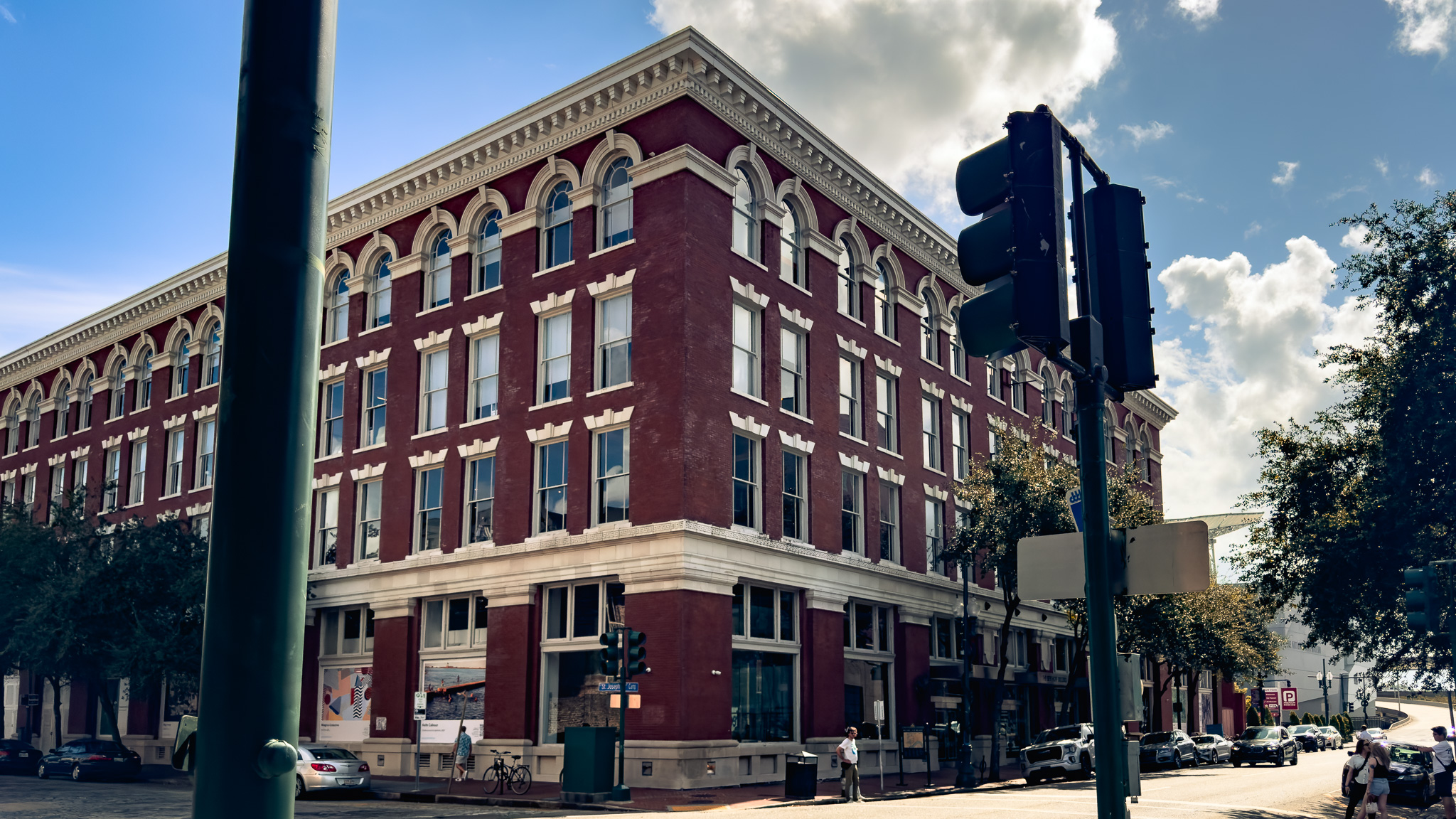
CACNO’s home at 900 Camp Street—gifted by Sidney Bestoff in 1999—is both a legacy and a living space. The four-story facility includes four galleries, a 150-seat proscenium theatre, a dance studio, a board room, and administrative offices.
The building also hosts valued partners that contribute to its daily rhythm and creative exchange, including Mr. Wolf Coffee (ground-floor lobby), Common Era (second floor), and The Shop (third and fourth floors).
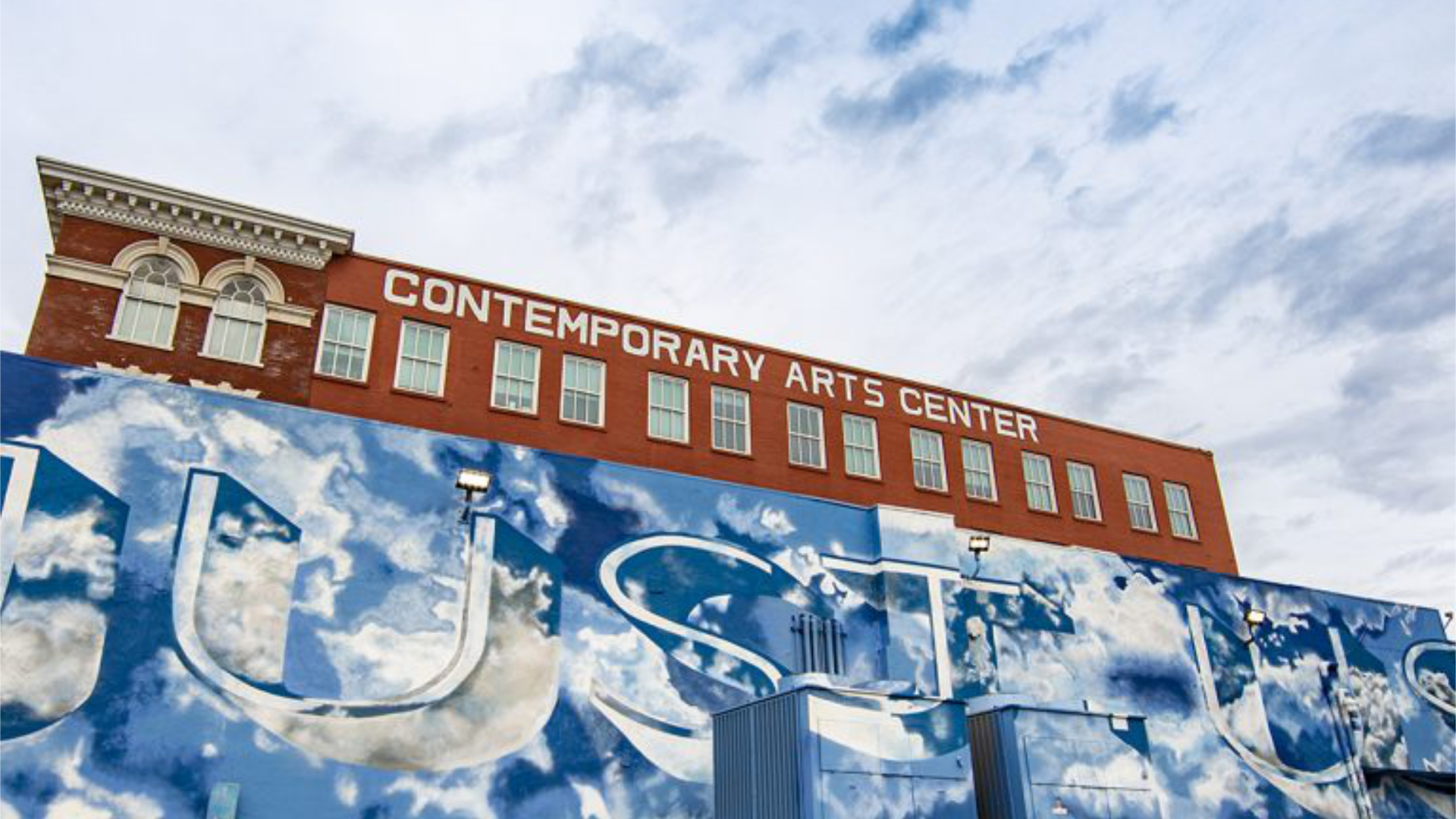
The Contemporary Arts Center New Orleans officially began in 1977, although rumor persists that its spirit was already hard at work in 1976! It was founded by a collective of artists working across disciplines and united by a shared belief in experimentation, exchange, and possibility. From the outset, the CAC was imagined not simply as a venue, but as an active environment: a place where visual ideas, performance concepts, and learning at every stage of life could take form and evolve.
CACNO’s home at 900 Camp Street—gifted by Sidney Bestoff in 1999—is both a legacy and a living space. The four-story facility includes four galleries, a 150-seat proscenium theatre, a dance studio, a board room, and administrative offices.
The building also hosts valued partners that contribute to its daily rhythm and creative exchange, including Mr. Wolf Coffee (ground-floor lobby), Common Era (second floor), and The Shop (third and fourth floors).
For nearly five decades, the CACNO has introduced bold, vital, and joyful voices alongside established practitioners, inviting visitors to encounter the multiplicity of contemporary artistic expression. Beyond exhibitions and performances, the CACNO functions as a network of support that offers exhibition opportunities, public talks, and collaborative projects that connect artists locally, regionally, nationally, and internationally.
By embracing risk, dialogue, and its own history, the Contemporary Arts Center New Orleans continues to be shaped by the cultural landscape of the city and beyond. It is not simply a place to view art, but it is a catalyst for the humanities, a stage for experimentation, and an ongoing proposition for what contemporary art can be.