2026 Creative Capital Seminar — February 2026.
Registration now open
Beginning in 2026, the CACNO enters a period of intentional recalibration.
It is a realignment of values, a reimagining of goals, and a recommitment to becoming the institution a 21st-century arts ecosystem truly needs. It is an administrative residency of the entire team, from the front desk to the senior leadership to the board of directors.
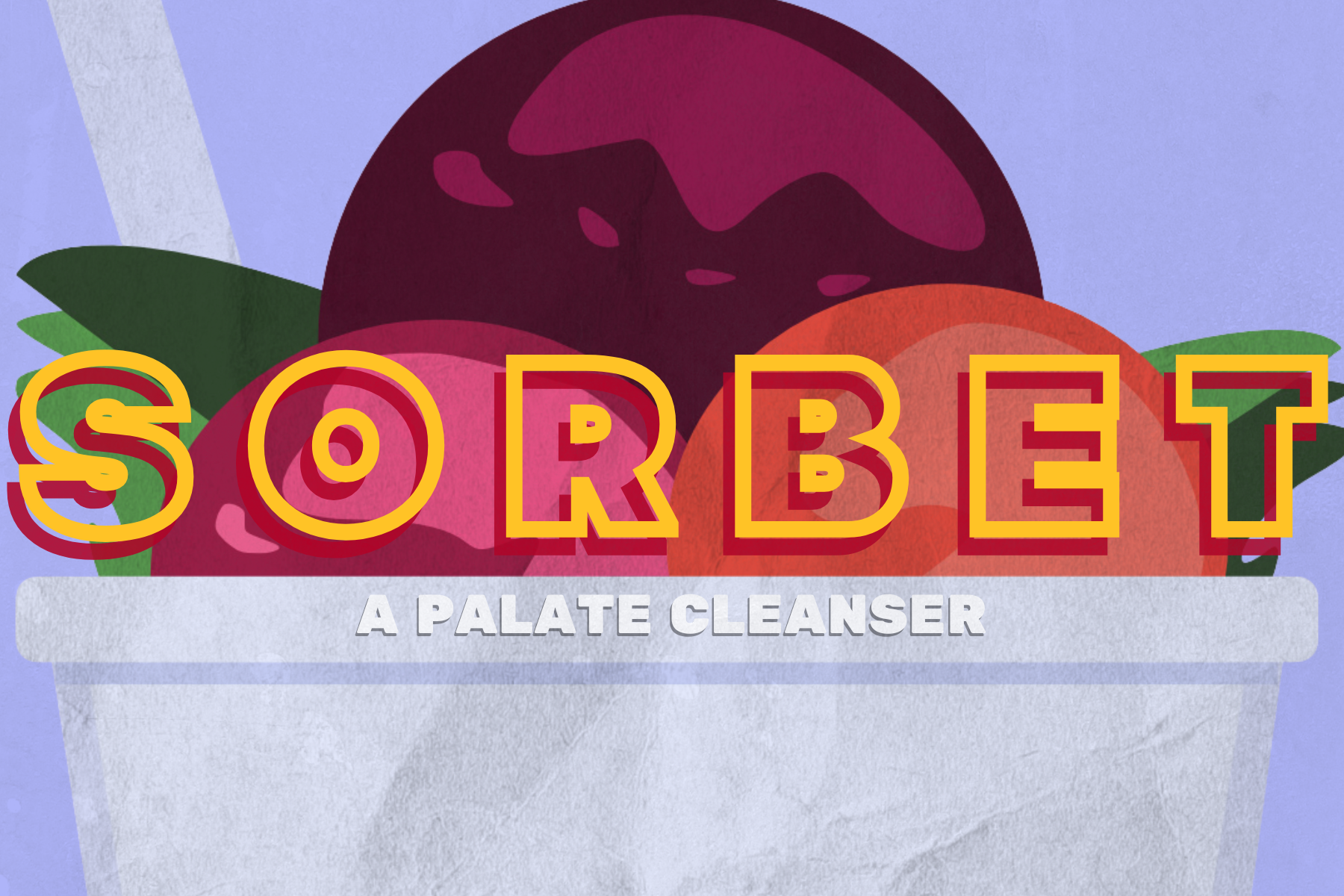
As we step into the new calendar year, SORBET: A PALETTE CLEANSER offers more than a pause; it provides a breath. A space to reflect, to return to our values, to dream anew what the Contemporary Arts Center New Orleans (CACNO) might become. In the relentless rhythm of the not-for-profit arts landscape, the arts administrator seldom receives a moment to look inward truly and to ask: Where are we going, and what might we become?
This pause is not a luxury for the CACNO, it is a necessity.
Recent studies show that 43% of workers in art museums report symptoms of burnout, and across the broader creative industries, 67% of workers cite burnout and fatigue as major concerns. In the nonprofit world, where most arts organizations live, 78% of employees report burnout, including 70% of senior leadership. These numbers remind us that behind every exhibition, every program, every meticulously mounted artwork is a person navigating exhaustion while holding together the cultural heartbeat of their community. Research on work-life balance further confirms the obvious yet often ignored truth:
Rest improves engagement, clarity, and long-term organizational vitality.
Few choose arts administration for anything other than love of art itself. Yet the impulse to honor that love…to nurture the way we make art, to safeguard the dignity of creation, is often overshadowed by the pressure to impress funders, to meet deadlines, and to produce assets rather than nurture artists.
SORBET insists on a different cadence: an institutional moment of reckoning and renewal, a call to accountability without shame, and a public invitation for our community to witness transformation in real time.
It is a rare chance to step back, realign, and envision the path forward.
This exhibit is publicly performed as a declaration that reflection and rest are not weaknesses but essential tools of craft.
When administrators can rest, experience, savor, grow, and relearn, they return not only restored in the purpose of their work but more imaginative, more ethical, more capable of sustaining artists and audiences alike.
SORBET is not built on the traditional mechanics of an exhibition.
There is no unifying theme, no rigid curation, no pressure to produce.
Instead, it is a gesture of institutional vulnerability: a process-based, spatial offering that invites visitors to witness an institution metamorphosing.
This exhibition is an invitation inward to witness and participate in the gentle work of renewal: not through spectacle, but through presence, simplicity, and slowness. Here, the space itself becomes the art: reclaimed, remembered, and reopened to possibility.
The same people who write the grants, fix the walls, pour the waters, and guard the work now extend themselves as the work, revealing the deep labor and deep humanity that make the arts possible.
This is not a retrospective, not a group show, not a grand reopening.
It is a moment to breathe, to be seen, and to cleanse the palette before what comes next.
Beginning in 2026, the CACNO enters a period of intentional recalibration.
It is a realignment of values, a reimagining of goals, and a recommitment to becoming the institution a 21st-century arts ecosystem truly needs. It is an administrative residency of the entire team, from the front desk to the senior leadership to the board of directors.
As we step into the new calendar year, SORBET: A PALETTE CLEANSER offers more than a pause; it provides a breath. A space to reflect, to return to our values, to dream anew what the Contemporary Arts Center New Orleans (CACNO) might become. In the relentless rhythm of the not-for-profit arts landscape, the arts administrator seldom receives a moment to look inward truly and to ask: Where are we going, and what might we become?
This pause is not a luxury for the CACNO, it is a necessity.
Recent studies show that 43% of workers in art museums report symptoms of burnout, and across the broader creative industries, 67% of workers cite burnout and fatigue as major concerns. In the nonprofit world, where most arts organizations live, 78% of employees report burnout, including 70% of senior leadership. These numbers remind us that behind every exhibition, every program, every meticulously mounted artwork is a person navigating exhaustion while holding together the cultural heartbeat of their community. Research on work-life balance further confirms the obvious yet often ignored truth:
Rest improves engagement, clarity, and long-term organizational vitality.
Few choose arts administration for anything other than love of art itself. Yet the impulse to honor that love…to nurture the way we make art, to safeguard the dignity of creation, is often overshadowed by the pressure to impress funders, to meet deadlines, and to produce assets rather than nurture artists.
SORBET insists on a different cadence: an institutional moment of reckoning and renewal, a call to accountability without shame, and a public invitation for our community to witness transformation in real time.
It is a rare chance to step back, realign, and envision the path forward.
This exhibit is publicly performed as a declaration that reflection and rest are not weaknesses but essential tools of craft.
When administrators can rest, experience, savor, grow, and relearn, they return not only restored in the purpose of their work but more imaginative, more ethical, more capable of sustaining artists and audiences alike.
SORBET is not built on the traditional mechanics of an exhibition.
There is no unifying theme, no rigid curation, no pressure to produce.
Instead, it is a gesture of institutional vulnerability: a process-based, spatial offering that invites visitors to witness an institution metamorphosing.
This exhibition is an invitation inward to witness and participate in the gentle work of renewal: not through spectacle, but through presence, simplicity, and slowness. Here, the space itself becomes the art: reclaimed, remembered, and reopened to possibility.
The same people who write the grants, fix the walls, pour the waters, and guard the work now extend themselves as the work, revealing the deep labor and deep humanity that make the arts possible.
This is not a retrospective, not a group show, not a grand reopening.
It is a moment to breathe, to be seen, and to cleanse the palette before what comes next.